Retro Stitch: A Vintage Display Font for Authentic Designs
There's a specific feeling you get when you see a design that feels genuinely authentic. It's not just about using a filter or a distressed texture. It’s about the core elements, starting with the typography. When a project calls for a voice that speaks of heritage, craftsmanship, and a touch of nostalgia, the font you choose does most of the heavy lifting. This is where a specialized display font like Retro Stitch enters the conversation. It’s not just another typeface; it’s a tool for adding a specific, tangible character to your work.
The Unmistakable Character of Retro Stitch
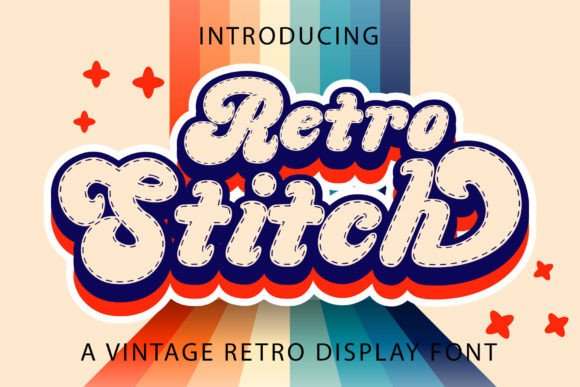
At its core, Retro Stitch is a vintage-style display font that captures the spirit of mid-century signage, hand-stitched labels, and classic Americana. The visual personality is defined by its clean, bold letterforms, but the real magic is in the details. Each character is crafted to mimic the look of thread or embroidery, giving it a textured, tactile quality that stands apart from flat, digital fonts. It avoids looking like a generic serif font or sans serif font. Instead, it occupies its own space, feeling both familiar and unique.
The appeal lies in its balance. It’s bold enough to make a statement but detailed enough to feel artisanal. This isn't a script font that sacrifices readability for flair. Retro Stitch maintains a clear, sturdy structure, making it surprisingly versatile for a creative font. It evokes a sense of trust and quality, reminiscent of a time when things were built to last. For designers and creators, this personality is a powerful asset. It immediately communicates a brand’s values—whether that’s authenticity, handcrafted quality, or a fun, retro vibe—without a single word of copy.
Where Vintage Charm Meets Modern Application
Understanding a font's personality is one thing; knowing where to apply it is what brings a project to life. The strength of Retro Stitch is in its ability to anchor a design with a strong point of view. Its most natural habitat is in logo design and brand identity. For a craft brewery, a barbershop, a coffee roaster, or a boutique clothing line, this font can form the cornerstone of a visual identity that feels established and genuine from day one.
Beyond logos, its applications are extensive. Consider these practical uses:
- Packaging Design: On labels for artisanal goods, hot sauce, or craft sodas, Retro Stitch adds an instant layer of perceived value and authenticity.
- Editorial Design: Use it for drop caps, pull quotes, or chapter titles in a cookbook, magazine, or zine to create visual interest and break up long blocks of text.
- Web Design & Digital: As a headline font on a website, it can set a powerful tone. It’s also perfect for creating eye-catching social media graphics, podcast covers, or YouTube thumbnails that stop the scroll.
- Print & Stationery: Wedding invitations, event posters, business cards, and thank-you notes all benefit from its warm, personal touch.
The key is to use it intentionally. As a premium font, it’s designed for impact. Pairing it with a clean, simple body font—like a modern sans serif font—allows its unique texture to shine without overwhelming the viewer. This contrast creates a professional and dynamic visual hierarchy.
Practical Guidance for Designers and Creators
Choosing a commercial font is an investment. Here’s how to approach Retro Stitch to ensure it’s the right fit for your project.
Evaluating Project Fit: Does your project’s story align with the font’s personality? If you’re designing for a cutting-edge tech startup, it’s likely a mismatch. But for a farm-to-table restaurant, a vintage-inspired wedding, or a local mechanic’s garage, it could be perfect. Think about the emotions you want to evoke. Retro Stitch speaks to nostalgia, reliability, and craftsmanship.
Testing Font Pairings: Never judge a font in isolation. Set your headline in Retro Stitch and try pairing it with different body fonts. A classic pairing might be with a neutral geometric sans serif for a clean, balanced look. For a more traditional feel, a simple serif font could work. The goal is a harmonious relationship where the display font leads and the body font supports.
Leveraging PUA Encoding: One of the most practical features of Retro Stitch is that it is PUA encoded. This is a significant advantage for any designer. It means every glyph, swash, and stylistic alternate is easily accessible through your computer’s character map or font book, regardless of the design software you’re using. You don’t need advanced software features to unlock the font’s full potential. This allows for easy customization, letting you add unique flourishes to initials or create custom ligatures that make your design one-of-a-kind.
Readability and Licensing: Because it’s a display font, Retro Stitch is intended for headlines, titles, and short bursts of text, not for long paragraphs. Always test its legibility at the size you intend to use it. Check for clarity on both screen and print. Furthermore, review the font’s license. A proper commercial font license ensures you can legally use it in your client projects, merchandise, and digital products, protecting both you and your clients. This font, with its clear utility and broad application, is a valuable addition to any designer's library of design assets, helping to build memorable and effective brand identity