Amarillo: The Art of Elegant Calligraphy in Modern Design
In a world saturated with clean, geometric sans serifs and rigid corporate fonts, there's a growing hunger for typefaces that feel human, authentic, and emotionally resonant. This is where a font like Amarillo enters the conversation. It’s not just another script font; it’s a carefully crafted tool for adding a distinct, luxurious touch to any project. For designers, entrepreneurs, and creators, understanding how to wield such a premium font can be the difference between a design that feels generic and one that feels truly bespoke.
Understanding Amarillo's Visual DNA
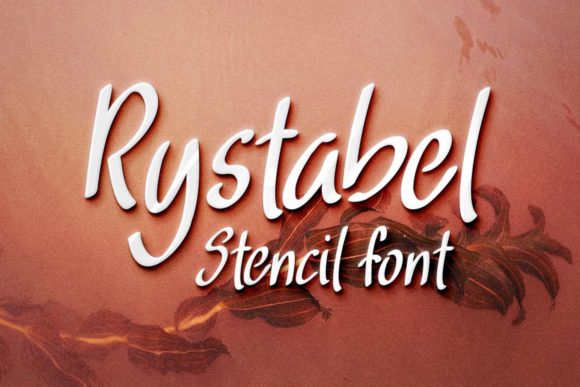
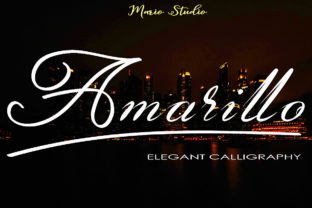
At its core, Amarillo is an elegant calligraphy font. Its character stems from a natural, flowing writing style that mimics the fluidity of a skilled hand with a brush or pointed pen. You'll notice graceful, connected letterforms with subtle variations in stroke weight, giving it an organic, slightly imperfect charm that feels authentic rather than sterile. This isn't a rigid, perfect script; its beauty lies in its natural rhythm and the slight inconsistencies that make it feel personal and human-made.
The overall personality of Amarillo is one of sophistication and approachability. It carries a luxurious feel without being ostentatious or overly formal. Think of it as the typographic equivalent of a beautifully handwritten invitation on thick, textured paper. It communicates care, attention to detail, and a sense of refined taste. This makes it a versatile display font, perfect for headlines and short bursts of text where you want to make an immediate emotional impact.
Where Amarillo Truly Shines: Practical Applications
The real value of a creative font like Amarillo is measured by its utility. Its strength lies in applications where personality and brand perception are paramount. For logo design, Amarillo can craft a memorable and distinctive wordmark, especially for businesses in the beauty, fashion, wedding, artisanal food, or boutique hospitality sectors. It instantly conveys a sense of craftsmanship and personal service.
Beyond logos, its applications are extensive. Consider these practical uses:
- Branding & Marketing: It’s exceptional for brand identity materials like business cards, letterheads, and packaging design. On social media graphics, it can stop the scroll, adding an elegant touch to quotes, announcements, or promotional posts. It works beautifully for watermarks on photography, adding a professional signature without overpowering the image.
- Publishing & Editorial: In editorial design, Amarillo can elevate magazine covers, chapter headings in books, or pull quotes. For bloggers and content creators, it adds a personal, curated feel to featured images or email newsletter headers.
- Digital & Print: While primarily a display font, it has a place in web design for hero sections or accent text. In print, it’s a natural fit for posters, album covers, wedding stationery, and boutique clothing tags. Its clarity at larger sizes makes it a strong candidate for these high-impact roles.
Integrating Amarillo into Your Design Workflow
Adopting any new typeface requires thoughtful integration. First, consider project fit. Amarillo is a script font, and like all scripts, it excels in short-form, high-impact text. It’s not designed for body copy. Its role is to create contrast, draw the eye, and set a specific tone. Pair it wisely with a neutral, highly readable serif font or sans serif font for longer paragraphs. A clean sans serif like Montserrat or a classic serif like Garamond can provide the perfect counterbalance, ensuring your overall design remains legible and well-structured.
When evaluating a commercial font like Amarillo, look beyond the basic character set. Check for OpenType features. Does it include alternate characters, ligatures, or swashes? These extras are gold for designers, allowing you to customize the lettering and avoid repetitive, cookie-cutter layouts. Test the font at the exact size you plan to use it. A beautiful script can become illegible if set too small, particularly on screen. Always prioritize readability in your final context.
Finally, understand the licensing. For any commercial project—whether it's for a client, a product you sell, or your own business—you need a proper commercial license. This is a standard and ethical part of using design assets. Investing in a quality font like Amarillo is an investment in your project's professionalism and legal compliance. It’s a tool that, when used with intention and skill, can significantly elevate the perceived value and emotional resonance of your work, helping you connect with your audience on a more personal level.